For ski resort operators, the season moves fast. When the snow is falling and guests are arriving, the focus is on execution. Our attention often goes to keeping lines moving, solving problems in real time, and delivering great experiences under pressure. As it should; but, all that time working in the business often leaves little time for working on the bigger picture changes and initiatives that can really help move your business and your guest experiences forward.
The off-season. That’s your opportunity to step back and shift from working in your business to working on your business. This is the time when meaningful, transformational changes can be worked on and made ready for the next year. But where to start?
Below is a roadmap to help. This is the actual Lean Six Sigma process that we use when making transformational change within our own business and when working with our Resort partners.
Step 1: Start with Observation: Your Most Powerful Tool
Before changing anything, take the time to truly understand what’s really happening today. Not what you think is happening or what’s supposed to happen. What are the actual processes and pain points that your team and guests experience in your daily operations? One of the most powerful Lean Six Sigma tools requires no software and no investment, just attention: observation.
Spend time in your operation simply watching. Not fixing. Not jumping in to help. Just observing.
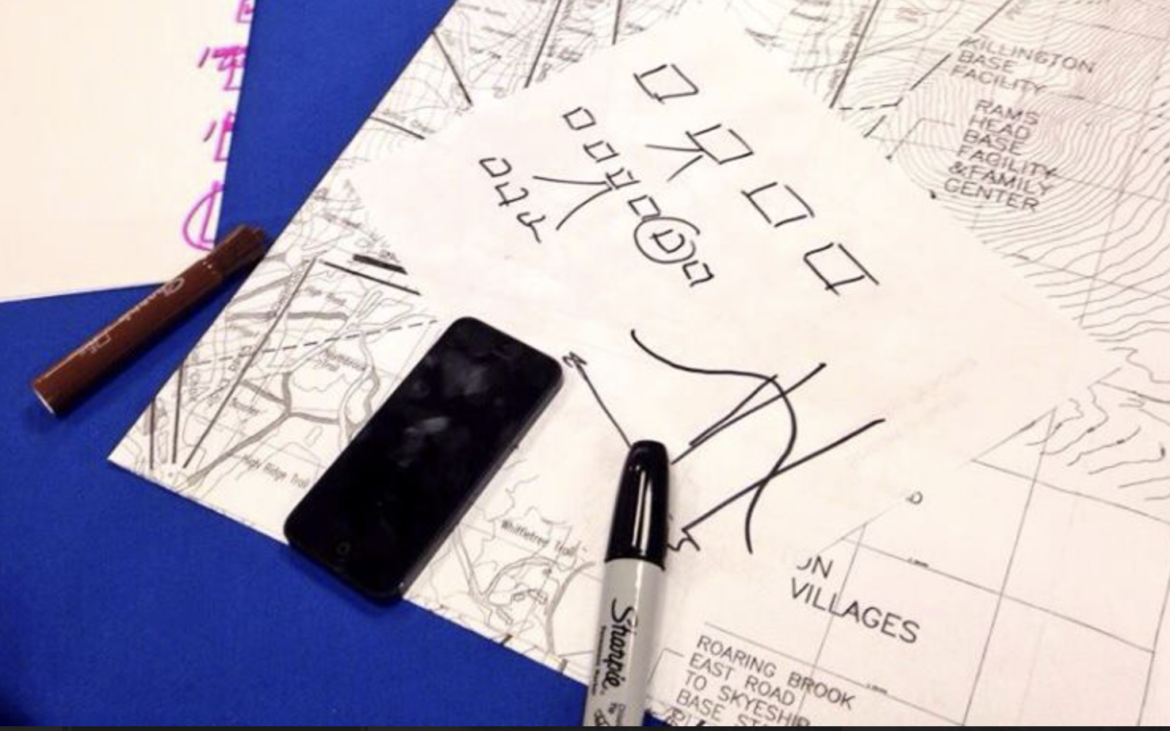
Watch how guests move through your base area. Notice where they hesitate, where they get frustrated, where they need help. Pay attention to how your team interacts with them and how processes actually unfold in real time and take note of that data.
These moments of clarity often reveal the biggest opportunities for improvement.
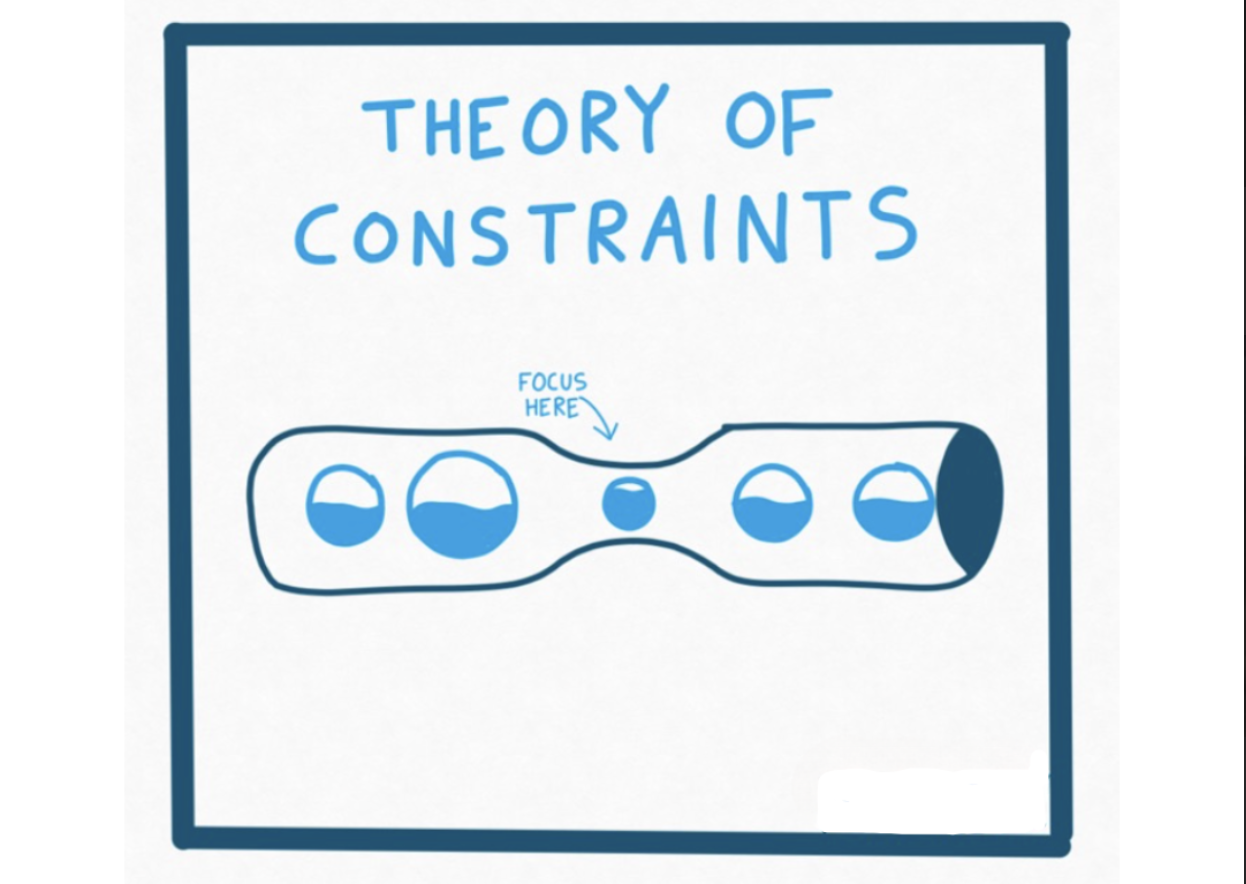
Step 2: Identify the Constraint: Where Is the Bottleneck?
If you’re looking to improve any process, your first step should always be identifying what are your true constraints and where the bottlenecks are.
Take rental operations as an example. Many resorts assume they need more space or more equipment to improve throughput. But in reality, the constraint is almost always the same: getting boots on guests’ feet.
This step has the highest variability in both time and quality. And as Jack Welch famously said, “Variation is evil.” In this case, the constraint is often a result of process and not of physical space.
Until you address the constraint, adding more resources to any given problem won’t meaningfully improve the overall process.

Step 3: Focus on the Critical X’s
Not all variables are created equal. In Lean Six Sigma, we often say Y is a function of X—your outcomes are driven by your inputs.
In a ski resort operation, there are dozens of variables that influence the guest experience, but only a handful truly drive it. These are your critical X’s.
The key to effective process improvement is identifying which levers matter most. What are the few inputs that have the greatest impact on your desired outcome?
When you focus on the right X’s, even small changes can deliver outsized results: shorter wait times, smoother flow, and more time for guests to do what they came for— enjoying the mountain.
Make This Off-Season Count
The resorts that stand out next season won’t be the ones that simply maintained their operations; they’ll be the ones that improved them.
Use this off-season to observe with intention, identify your constraints, and focus on your critical X’s. Because the work you do now will define the experience your guests have when the snow returns.