
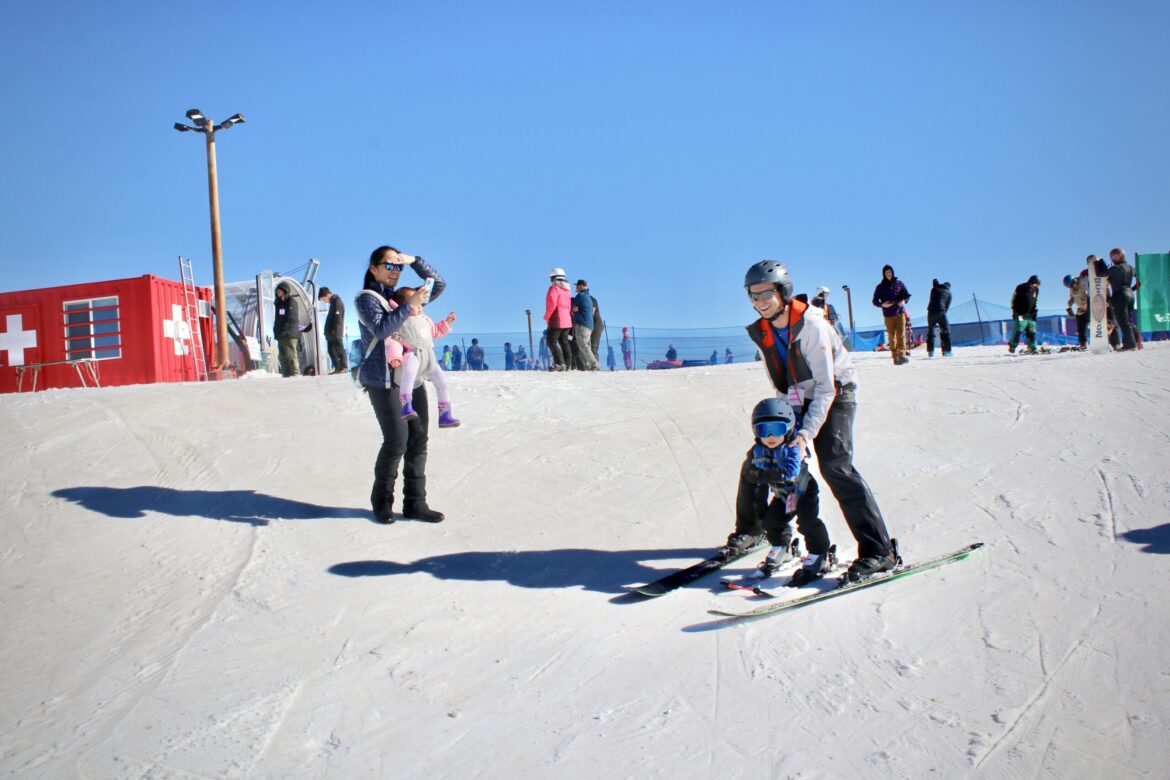
US ski areas face a demographic challenge that demands attention: the industry is losing ground with younger participants, the lifeblood of long-term growth. Additionally, participation in skiing and snowboarding isn’t keeping pace with overall U.S. population growth, and the critical under-24 segment has shrunk from 40% to just 34% of all visits. The good news? Technology and proven best practices can help reverse these trends.
The Persistent Hassle Factor
The “hassle factor”—planning, parking, rentals, lift lines, and steep learning curves—remains the primary barrier to participation. These friction points negatively impact first-time experiences and reduce the likelihood that newcomers will return. While these challenges persist, today’s technology offers unprecedented opportunities to reduce barriers and create seamless guest experiences.
NSAA has produced several studies over the years—The Model for Growth, the Conversion Cookbook, and others—to document and emphasize the importance of attracting and converting new participants. Now, the NSAA Growth Committee is using data from the NSAA Kottke study to define specific challenges and outline actionable goals for industry growth.
The Data Tells a Challenging Story
NSAA data reveals several demographic trends that every ski area operator should understand:
- Population underperformance: The number of active participants in skiing and snowboarding is growing slowly but not keeping pace with overall US population growth. If your ski area is in a market with growing population, are you also seeing growth in your numbers? If not, it’s time to dig in and make targeted plans to address the shortcoming.
- Lesson declines: Participation in lessons dropped after the COVID-19 pandemic and has not rebounded. Have your lessons plateaued or declined? Determine whether you face a demand or supply problem, then figure out ways to widen the funnel at the top and give more people the opportunity to explore our sports.
- Early adoption matters: 85% of current skiers and snowboarders first started when they were aged 24 or younger. Attracting young people is critical—now and in the future. What events and products do you have to appeal to the 24-and-younger cohort?
- Shrinking youth segment: The 24-and-younger age segment used to account for 40% of all skier visits but now makes up just 34%. This younger demographic is essential for long-term viability, so what can you do now to change the direction of this trend? College passes and other products targeting this age group might be a good starting point.
These trends point toward serious challenges in attracting and retaining new, younger customers. The question is: how can your ski area reduce the hassle factor and increase the likelihood of turning that new skier into a committed, long-term participant?
Technology as the Game-Changer
Traditionally, efforts to address the hurdles that beginners face have been marginally successful. However, technology and innovation are now providing new ways to approach these age-old challenges.
Modern technology offers practical solutions. Reservation systems for parking, lessons, and dining reduce bottlenecks by spreading demand across broader time windows. Queue management software cuts wait times for rentals and food service. These tools enable timed reservations for activities that are traditionally pinch points, when many guests all want the same experience at the same time. Scaling reservations to your capacity for each activity smooths out the peaks, resulting in shorter wait times and better customer experiences.
Rebuilding the Lesson Pipeline
Reduced participation in lessons is particularly concerning because of its potential downward impact on the number of active skiers and snowboarders in the future. Understanding the motivations and learning preferences of new, younger skiers and riders is critical to rebuilding lesson numbers. Giving students the skills and knowledge in a safe, fun, and efficient manner—and doing so in a shorter period of time—should be a defining goal of snowsports instruction.
To that end, NSAA has gathered a library of best practices and ideas from past Conversion Cup applications and NSAA Journal articles, along with current submissions from ski areas via an online form, into a database that will be analyzed using Artificial Intelligence. Queries of this database will soon be available for member areas to mine for insights and ideas for their own snowsports teaching and programming.
The Path Forward
The NSAA Growth Committee is addressing these challenges head-on. We’re launching an AI-powered database of best practices that will give you instant access to proven strategies for snowsports instruction, youth programming, and guest experience improvements. Improvements to technology and processes will continue to reduce hurdles, make ski areas more efficient, and improve the customer experience—all of which will contribute to the growth goals the committee has set for the industry.
The demographic trends are clear, but they’re not destiny. Ski areas that act now—reducing hassles, investing in lessons, and prioritizing youth engagement—will position themselves for sustainable growth. Watch for updates from the NSAA Growth Committee about accessing the NSAA best practices library and the AI insights that can be derived from it. We all grow by learning from and inspiring each other.